Sciatica and Osteopathy: A Natural Approach to Lower Back Pain
If you’ve ever felt a sharp, shooting pain that runs from your lower back down the back of your leg, chances are you’ve experienced sciatica. It’s a common condition that can significantly affect daily life — but the good news is, osteopathic treatment offers a gentle, drug-free way to relieve symptoms and address the root cause.
In this post, we’ll explore:
- What sciatica is
- What causes it
- How osteopathy can help
- What to expect during treatment
- Self-care tips to manage symptoms at home
What Is Sciatica?
Sciatica refers to irritation or compression of the sciatic nerve — the longest nerve in your body, which runs from the lower spine down through the buttocks and legs. It’s not a condition itself, but rather a set of symptoms that can include:
- Lower back pain
- Pain radiating down one leg
- Numbness or tingling
- Muscle weakness in the leg or foot
- Pain that worsens when sitting or standing for long periods
Common Causes of Sciatica
Sciatica is often caused by pressure or irritation to the nerve, which can result from:
- Herniated or bulging discs
- Spinal misalignment
- Piriformis syndrome (tight muscles compressing the nerve)
- Degenerative disc disease
- Poor posture or biomechanics
- Pregnancy-related pelvic changes
How Osteopathy Helps Sciatica
Osteopathy offers a holistic, hands-on approach that not only relieves symptoms but helps restore overall body function. Treatment focuses on:
- Releasing tension in tight muscles (especially in the lower back, glutes, and hips)
- Improving spinal alignment to reduce nerve pressure
- Enhancing circulation and lymphatic flow to aid healing
- Correcting posture and movement patterns to prevent recurrence
Because osteopaths consider the whole body, they’ll also assess how other areas (like the pelvis, legs, or upper spine) might be contributing to your sciatica.
What to Expect During Osteopathic Treatment
Your first appointment will involve a full assessment, including:
- Your medical history
- Postural and mobility tests
- Gentle palpation of muscles, joints, and tissues
Treatment may include:
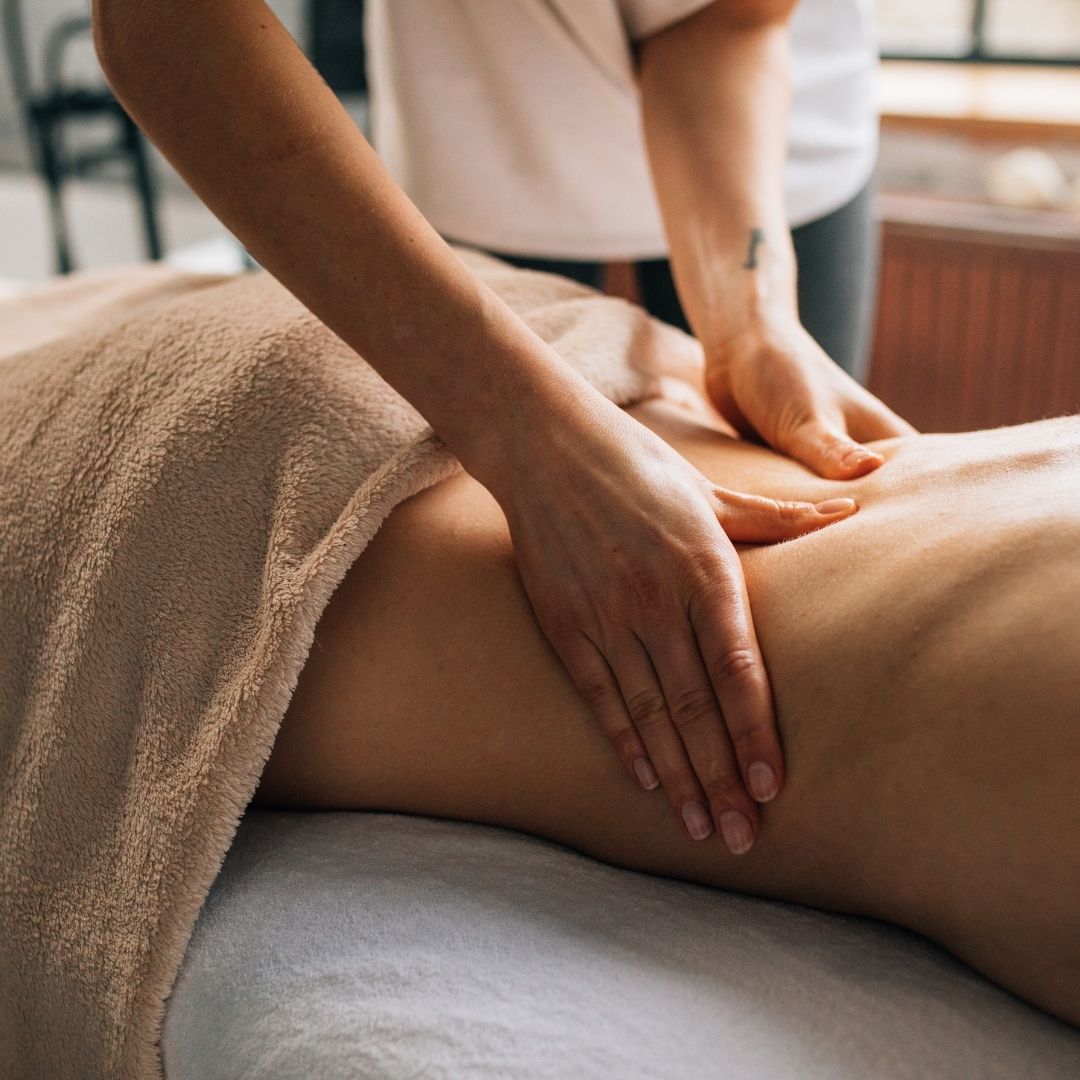
- Soft tissue massage
- Joint mobilisations
- Gentle stretching or muscle energy techniques
- Postural and ergonomic advice
- Exercise recommendations for home
Osteopathic treatment is non-invasive and tailored to your specific needs and comfort level.
Self-Care Tips for Managing Sciatica at Home
In addition to professional treatment, try these supportive tips:
- Stay active: Gentle movement helps relieve pressure on the nerve
- Avoid prolonged sitting: Use supportive chairs and take breaks
- Apply heat: Warm packs can relax tight muscles
- Stretch mindfully: Focus on hips, glutes, and hamstrings
- Practice good posture: Especially when working or driving
- Follow your osteopath’s exercises: They’re designed to support recovery
When to See an Osteopath
If your sciatica:
- Has lasted more than a few days
- Is affecting sleep, mobility, or daily function
- Isn’t improving with self-care
...then it’s time to book an appointment. Early intervention can prevent chronic pain and improve long-term outcomes.
How We Can Help
Our osteopaths are experienced in treating sciatica and helping patients return to pain-free movement. Whether your symptoms are new or ongoing, we’re here to support your healing journey naturally.