
As the cooler months set in, many people notice their bodies feeling stiffer, tighter, and more prone to aches and pains. If you’ve found yourself waking up more sore than usual or struggling with joints that didn’t bother you in summer, you’re not imagining it - cold weather really can have an impact on how your body feels.
But why does this happen, and more importantly, what can you do about it?
There are a few key reasons your body reacts differently when temperatures drop.
Firstly, muscles tend to tighten in the cold. This is your body’s natural response to preserve heat, but it can reduce flexibility and increase the risk of strains or discomfort. Joints can also feel stiffer because colder temperatures may slightly thicken the fluid that helps them move smoothly.
On top of that, people tend to move less during winter. Shorter days and cooler mornings often mean fewer walks, less exercise, and more time sitting - whether that’s at work or at home. Reduced movement can quickly lead to increased stiffness and decreased mobility.
Lastly, old injuries can become more noticeable. Areas that have previously been strained or injured may be more sensitive to changes in temperature and barometric pressure.
At this time of year, osteopaths often see an increase in:
These issues can affect anyone - from office workers to active individuals - and can build up gradually if not addressed.
The good news is there are simple ways to reduce stiffness and keep your body moving well throughout winter.
1. Keep moving regularly
Movement is one of the most effective ways to combat stiffness. Even gentle activity like walking, stretching, or light exercise helps keep joints lubricated and muscles flexible.
2. Warm up properly
In colder weather, it’s especially important to give your body time to warm up before exercise. Start slowly and gradually increase intensity to avoid strain.
3. Improve your workspace setup
If you’re spending more time indoors, check your posture and workstation ergonomics. Small adjustments can make a big difference in reducing strain on your neck, shoulders, and back.
4. Use heat to your advantage
Heat packs, warm showers, and layered clothing can help relax muscles and improve circulation, reducing discomfort.
5. Don’t ignore ongoing pain
If stiffness or pain is persistent, it’s worth getting it checked. Early treatment can prevent minor issues from becoming more serious.
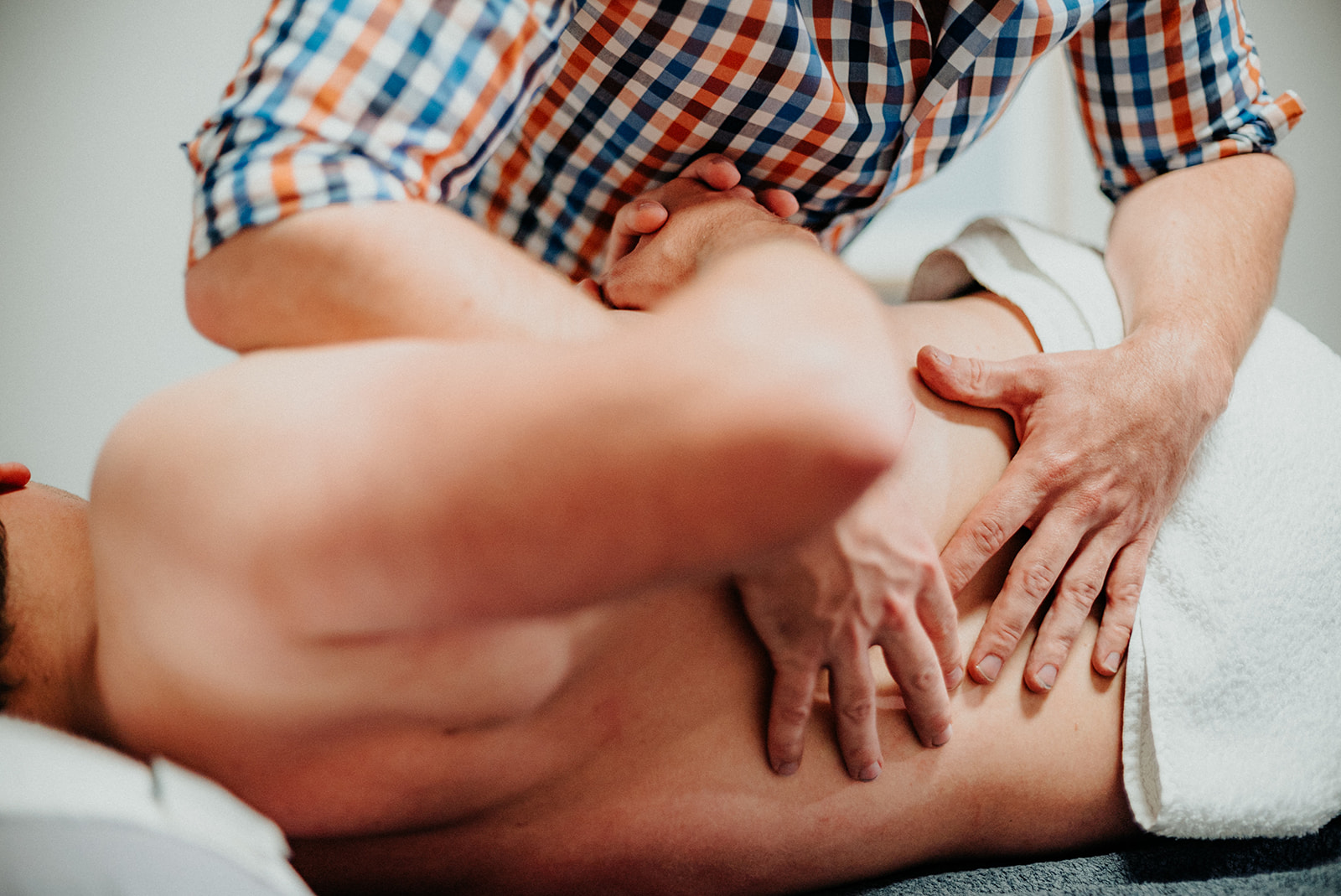
Osteopathy focuses on improving the body’s overall movement and function. Through hands-on treatment, stretching, and tailored advice, osteopaths can help:
Treatment is tailored to each individual, taking into account your lifestyle, work, and activity levels.
While some seasonal stiffness is common, it doesn’t have to be something you just put up with. Staying active, looking after your body, and seeking support when needed can make a big difference in how you feel throughout the colder months.
If you’ve noticed increased stiffness or discomfort recently, it may be the perfect time to take action and keep your body moving well this winter.

